
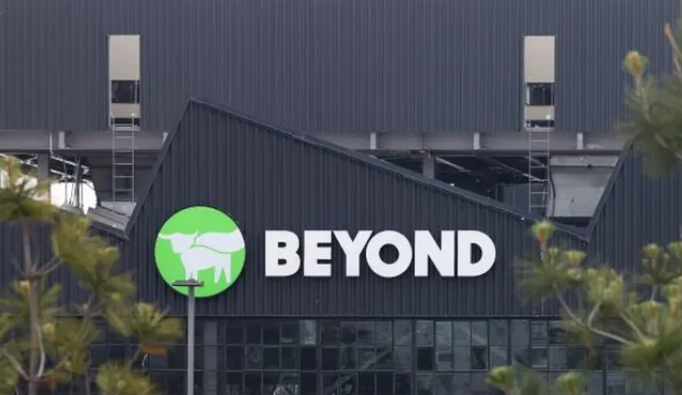
The Rise and Sharp Fall of Beyond Meat: What Happened?
Plant-based meat pioneer Beyond Meat was once considered one of the most exciting growth stories in the food industry. After going public, the company experienced explosive enthusiasm from investors who believed alternative protein products would rapidly replace traditional meat. However, the momentum didn’t last.
Since reaching its peak valuation in 2021, Beyond Meat’s stock has dropped dramatically — losing roughly 99% of its value. The sharp decline reflects a combination of slowing demand, operational challenges, and broader changes in consumer behavior.
Slowing Demand and Market Saturation
In its early years, Beyond Meat benefited from strong curiosity around plant-based alternatives. Many consumers were eager to try meat substitutes for health, environmental, or ethical reasons. But over time, repeat purchasing slowed. Some customers viewed the products as expensive compared to traditional meat, while others reconsidered whether highly processed plant-based items aligned with their dietary goals.

At the same time, competition intensified. Major food corporations and new startups entered the alternative protein market, crowding grocery shelves with similar products. Increased competition reduced pricing power and made it harder for Beyond Meat to maintain rapid sales growth.
Financial Strain and Operational Pressures
As revenue growth began to slow, financial pressures became more visible. The company struggled with ongoing operating losses and rising costs related to production, marketing, and distribution. Debt levels and restructuring efforts raised concerns among investors about long-term sustainability.
Repeated cost-cutting measures, workforce reductions, and strategic pivots signaled that the company was attempting to stabilize operations. However, these efforts also reinforced market fears that profitability remained uncertain.
Changing Consumer Behavior
Another key factor was shifting consumer purchasing patterns. Inflationary pressures and economic uncertainty led many shoppers to prioritize affordability. Premium plant-based products became harder to justify for budget-conscious households.
Additionally, broader food trends evolved. While interest in sustainability remains strong, consumers increasingly seek simpler ingredient lists, minimally processed foods, and balanced nutrition — areas where some critics argue plant-based meat substitutes face scrutiny.
A Lesson in Market Volatility
The story of Beyond Meat illustrates how quickly sentiment can change around high-growth consumer brands. Early enthusiasm in emerging industries often drives valuations higher than long-term fundamentals can support. When growth slows or profitability timelines extend, stock prices can correct sharply.
It also highlights a broader reality of innovation markets:
New industries frequently experience cycles of hype, rapid expansion, correction, and consolidation before reaching stability.
What This Means for Emerging Brands
The plant-based sector is not disappearing, but it is maturing. Companies in this space now face pressure to:
- Improve cost efficiency
- Achieve consistent profitability
- Differentiate products clearly
- Adapt to evolving consumer preferences
For investors and entrepreneurs alike, the Beyond Meat case serves as a reminder that strong branding and early momentum must eventually be supported by sustainable business fundamentals.