
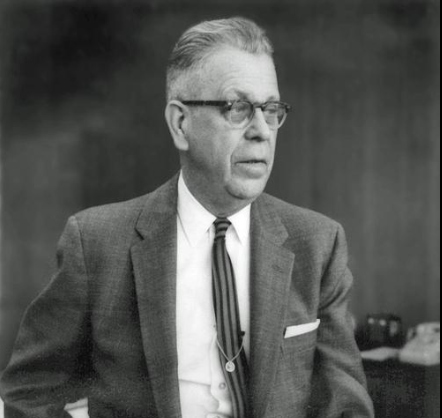
In 1945, American engineer Percy Spencer was working at Raytheon, testing magnetrons—high-powered vacuum tubes used in radar systems during and after World War II.
While standing near an operating magnetron, Spencer noticed that the chocolate bar in his pocket had melted. Intrigued, he decided to investigate.
He first placed popcorn kernels near the equipment, and they quickly popped. Next, he experimented with an egg, which heated so rapidly that it exploded. These observations led Spencer to realize that microwave energy could be used to cook food efficiently.
Recognizing the commercial potential, Raytheon developed the first microwave oven, called the Radarange. Introduced in 1947, it stood nearly six feet tall, weighed around 750 pounds (340 kg), and was primarily intended for restaurants, ships, and commercial kitchens. It was also expensive, costing several thousand dollars.
As the technology improved and became smaller and more affordable, microwave ovens entered homes around the world. Today, they are among the most common kitchen appliances, used by hundreds of millions of people every day.
Percy Spencer, who held more than 300 patents during his career, transformed a simple observation into one of the most influential household inventions of the 20th century.