
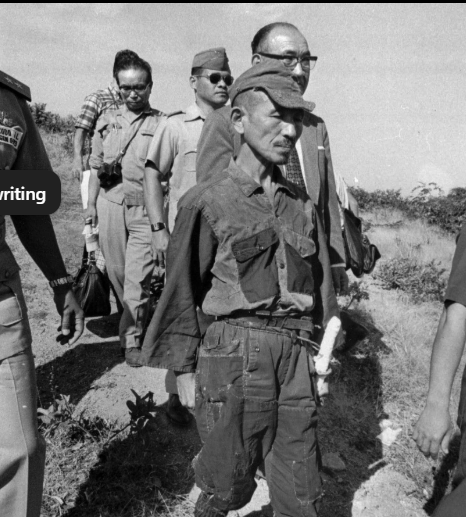
When World War II ended in August 1945, Japanese intelligence officer Hiroo Onoda was stationed on Lubang Island. Before his deployment, he had been instructed not to surrender and to continue carrying out his mission until receiving orders from a superior officer.
After Japan announced its surrender, Allied forces dropped leaflets informing isolated Japanese troops that the war was over. Onoda believed the leaflets were enemy propaganda and refused to believe Japan had surrendered. Along with a small group of fellow soldiers, he continued conducting guerrilla activities and surviving in the jungle for decades.
Over the years, the group gradually dwindled as members either surrendered, were killed, or died. Onoda remained hidden, convinced the war was still ongoing.
In 1974, Japanese adventurer Norio Suzuki located Onoda and befriended him. However, Onoda insisted he would surrender only if ordered to do so by his commanding officer. The Japanese government then located his former commander, Yoshimi Taniguchi, who traveled to Lubang Island and formally relieved him of duty.
Only after receiving those direct orders did Onoda lay down his rifle, surrender his sword, and end his mission—nearly 29 years after the war had ended.
Onoda later returned to Japan, where his story sparked widespread debate. Some viewed him as a symbol of extraordinary discipline and loyalty to orders, while others focused on the suffering caused by his continued armed resistance on the island after the war had ended.
His remarkable experience remains one of history’s most extraordinary examples of the lasting psychological effects of war and unwavering adherence to military duty.