
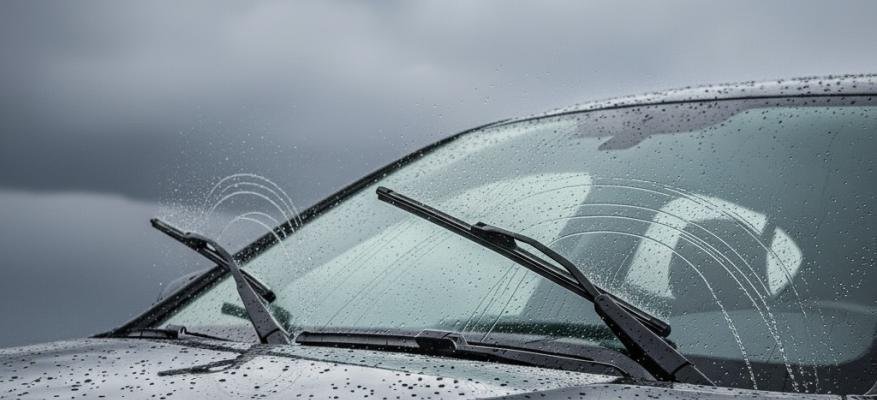
At the turn of the 20th century, driving in rain or snow was difficult because motorists often had to stop and manually clear their windshields.
In 1903, American inventor Mary Anderson received a patent for a hand-operated windshield wiper. Her design allowed a driver to clear rain, sleet, or snow from the windshield using a lever inside the vehicle, eliminating the need to stop and step outside.
At the time, some people questioned whether the device would be useful, and there was skepticism that drivers would want to operate a wiper while driving. As the automobile industry rapidly expanded, however, windshield wipers proved to be an indispensable safety feature.
Anderson was unable to find manufacturers willing to license her invention, and her 17-year patent expired in 1920, just before automobile ownership surged in the United States. As a result, she earned little, if any, financial reward from an invention that would become standard on virtually every passenger vehicle.
Today, windshield wipers are mandatory safety equipment on cars around the world, and Mary Anderson is widely recognized as one of the pioneering inventors whose practical idea helped make driving safer for generations.