
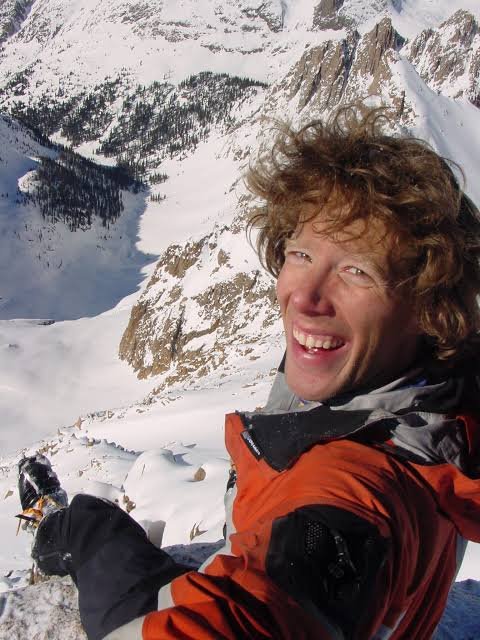
In April 2003, American outdoorsman Aron Ralston went hiking alone through Bluejohn Canyon in Utah.
During the descent, a massive boulder suddenly shifted and pinned his right forearm against the canyon wall.
Ralston had no companion and had not told anyone exactly where he was going. His water supply was limited, and his attempts to move the enormous rock failed. For nearly five days, Ralston remained trapped. He eventually began drinking his own urine to conserve what little water remained, while trying different ways to escape.
He finally reached a horrifying conclusion: he had to sacrifice his arm to survive.
Using a small multi-tool, Ralston amputated his trapped forearm. The procedure was extremely difficult because the bones and tissue required different methods to cut through, but he eventually freed himself.
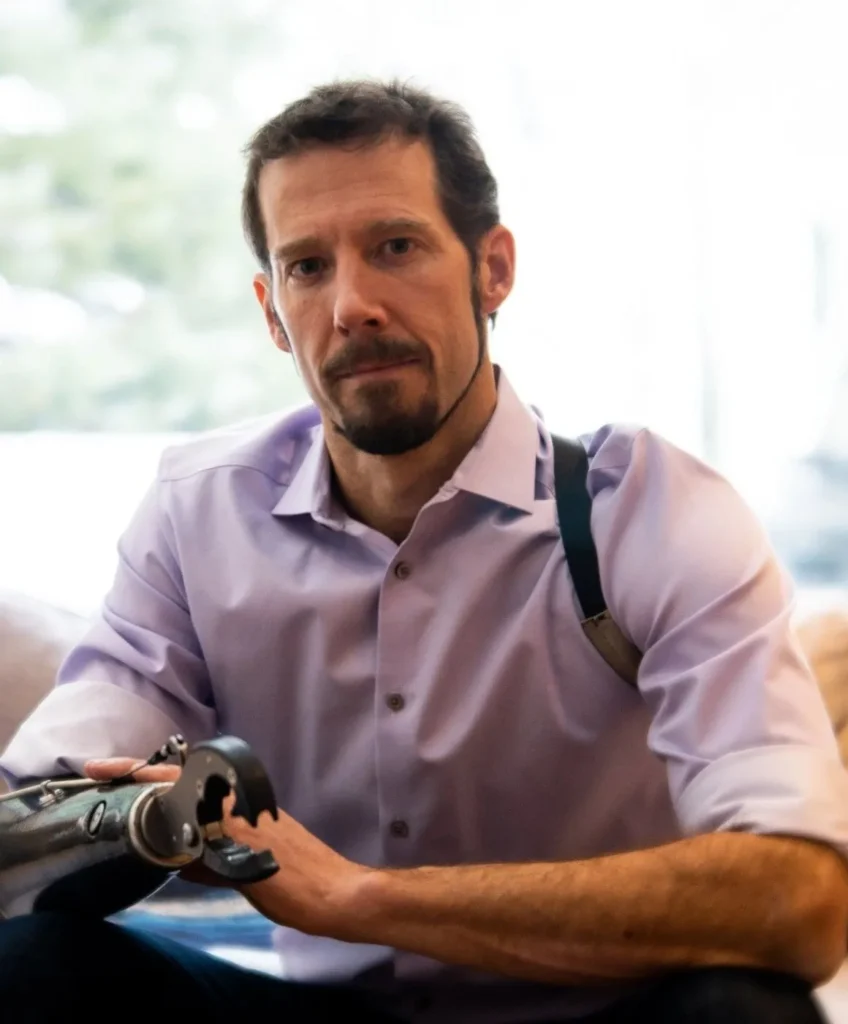
And he still wasn’t safe.
After escaping the boulder, Ralston rappelled and hiked through the canyon, eventually encountering a family of Dutch hikers. They helped alert rescuers, and he was evacuated by helicopter.
The extraordinary ordeal later became the subject of Ralston’s autobiography and the 2010 film 127 Hours, starring James Franco.
Ralston eventually returned to climbing and mountaineering, even becoming an advocate for outdoor safety.
His story is remarkable not because he was fearless.
He was trapped, running out of options, and forced to make an unimaginable decision—then somehow found the strength to keep moving after making it.