
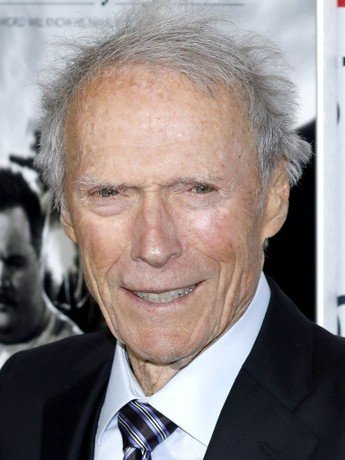
By 1986, Clint Eastwood was already one of Hollywood’s biggest stars. But when he decided to enter local politics, his campaign in Carmel-by-the-Sea, California, became one of the strangest celebrity political stories in American history.
Eastwood had lived in Carmel for years and owned property there. He became increasingly frustrated with some of the city’s restrictive regulations, particularly rules governing commercial development and construction.
One controversy involved a proposed take-out ice-cream business. Carmel had unusually strict zoning regulations, and the application ran into opposition. The dispute was eventually transformed by the media into the much catchier claim that Carmel had banned ice-cream cones.
That wasn’t technically true. The real issue was the city’s complicated development and zoning regulations—but the “ice-cream ban” story became a national talking point and helped give Carmel an image as an overly restrictive community.
Eastwood decided to challenge the establishment and ran for mayor. In April 1986, he won the election with approximately 72.5% of the vote, defeating his opponent by a huge margin.
His time in office lasted only one year, but he used it to push changes to city regulations and development policies. His administration also supported projects including a library annex, public restrooms and other improvements to the town.
The irony is that one of the most famous parts of the story wasn’t quite true.
Clint Eastwood really did become mayor because he was angry about Carmel’s restrictive policies—but the legendary “city that banned ice cream” story was a much simpler version of a far more complicated zoning dispute.