
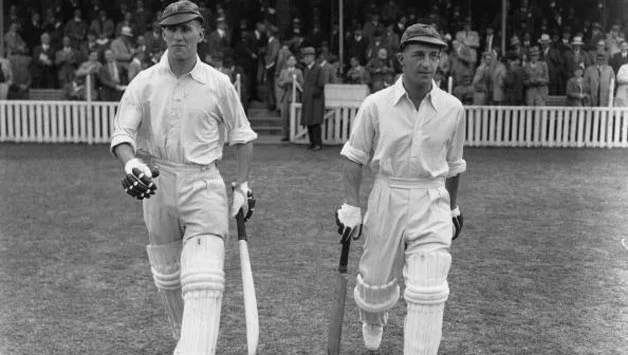
In March 1939, cricket witnessed one of the most extraordinary matches ever played when England and South Africa faced off in what became the longest Test match in history. Played at Kingsmead in Durban, the game began on March 3 and stretched over 12 playing days, finally ending on March 14. Unlike modern Test matches, this was a Timeless Test, meaning there was no fixed limit on the number of playing days—the match was supposed to continue until one team won.
By the end of the marathon contest, the two sides had scored a combined 1,981 runs, with England chasing 696 to win. Remarkably, England reached 654 for 5, needing just 42 more runs with five wickets in hand. However, the match wasn’t abandoned because of rain, and more than 5,000 runs were not scored. Instead, it ended because the England team had to catch its ship home, making it impossible to continue. The result was officially recorded as a draw, despite a winner appearing likely.
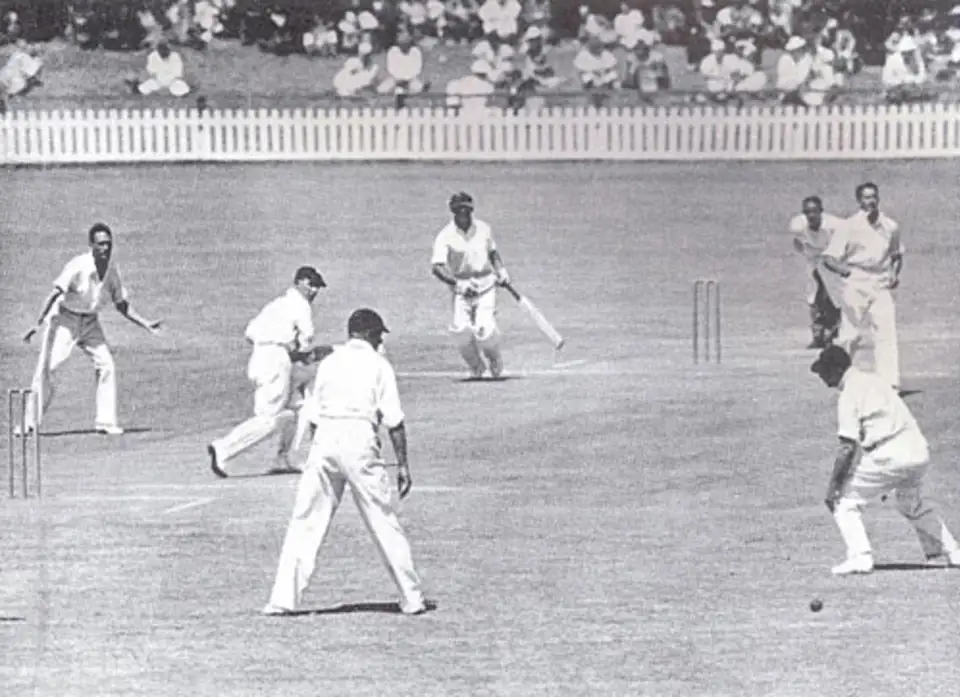
The legendary contest lasted 43 hours and 16 minutes of actual playing time, making it the longest Test match ever completed. It also convinced cricket authorities that unlimited matches were impractical, leading to the eventual disappearance of Timeless Tests and the adoption of the five-day format that remains the standard today. More than 85 years later, the 1939 Timeless Test is still remembered as one of the most remarkable matches the sport has ever seen—a game that outlasted nearly everyone except the calendar itself.