
The Mona Lisa Didn’t Become the World’s Most Famous Painting Until It Was Stolen
Today, Mona Lisa is arguably the most recognizable artwork on Earth, attracting millions of visitors to the Louvre Museum every year. But before the early 20th century, although it was admired by artists and historians, it wasn’t yet the global cultural icon we know today. That changed because of one of the most audacious art thefts in history.
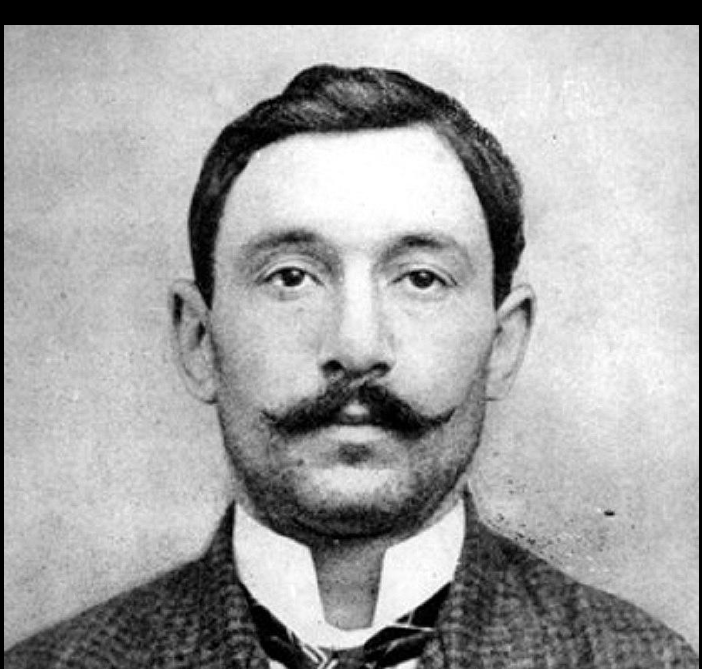
On 21 August 1911, Vincenzo Peruggia, an Italian glazier who had previously worked at the Louvre, hid inside the museum overnight. The following morning, dressed in a white worker’s smock, he simply removed the painting from the wall, took it out of its protective frame, concealed it beneath his clothing, and calmly walked out of the building. The theft went unnoticed for nearly a full day, allowing Peruggia to escape with one of history’s greatest masterpieces.
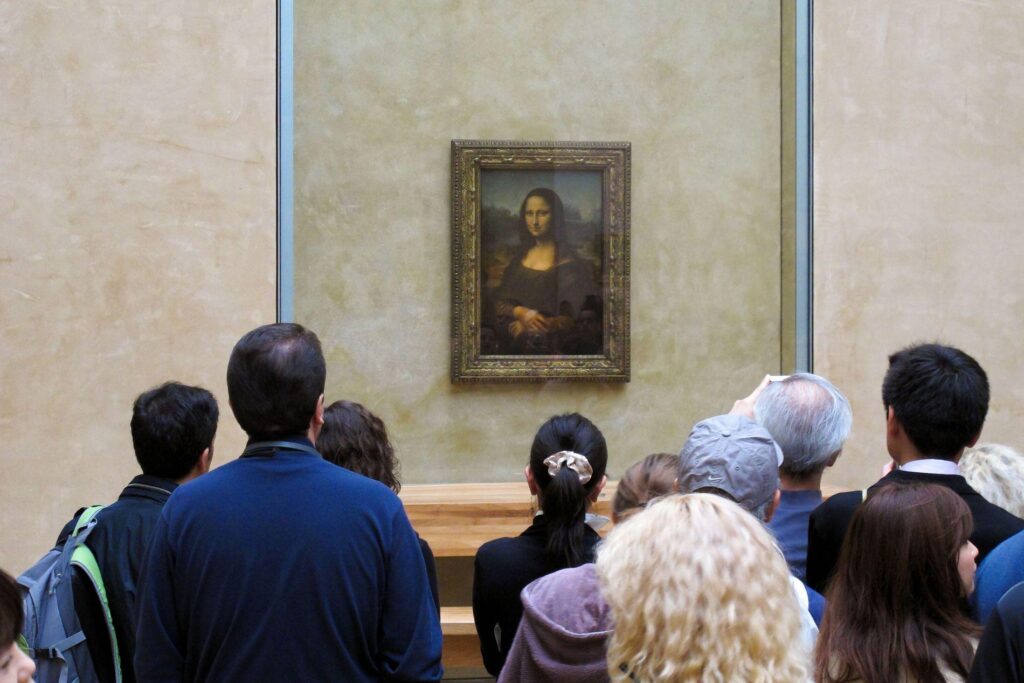
The disappearance made front-page news across the world. Newspapers published daily updates, police questioned hundreds of people, and even famous figures such as Pablo Picasso and Guillaume Apollinaire were briefly investigated during the search. For more than two years, the missing painting captivated the public, turning an already respected Renaissance masterpiece into an international obsession.
In 1913, Peruggia attempted to sell the painting to an art dealer in Florence, claiming he wanted to return it to Italy because he believed it had been unfairly taken by France. Instead, the dealer alerted authorities, and the Mona Lisa was recovered almost undamaged before being triumphantly returned to the Louvre. Peruggia became something of a folk hero to some Italians, even though historians note that Leonardo da Vinci had brought the painting to France himself, where it was later acquired by the French king.