
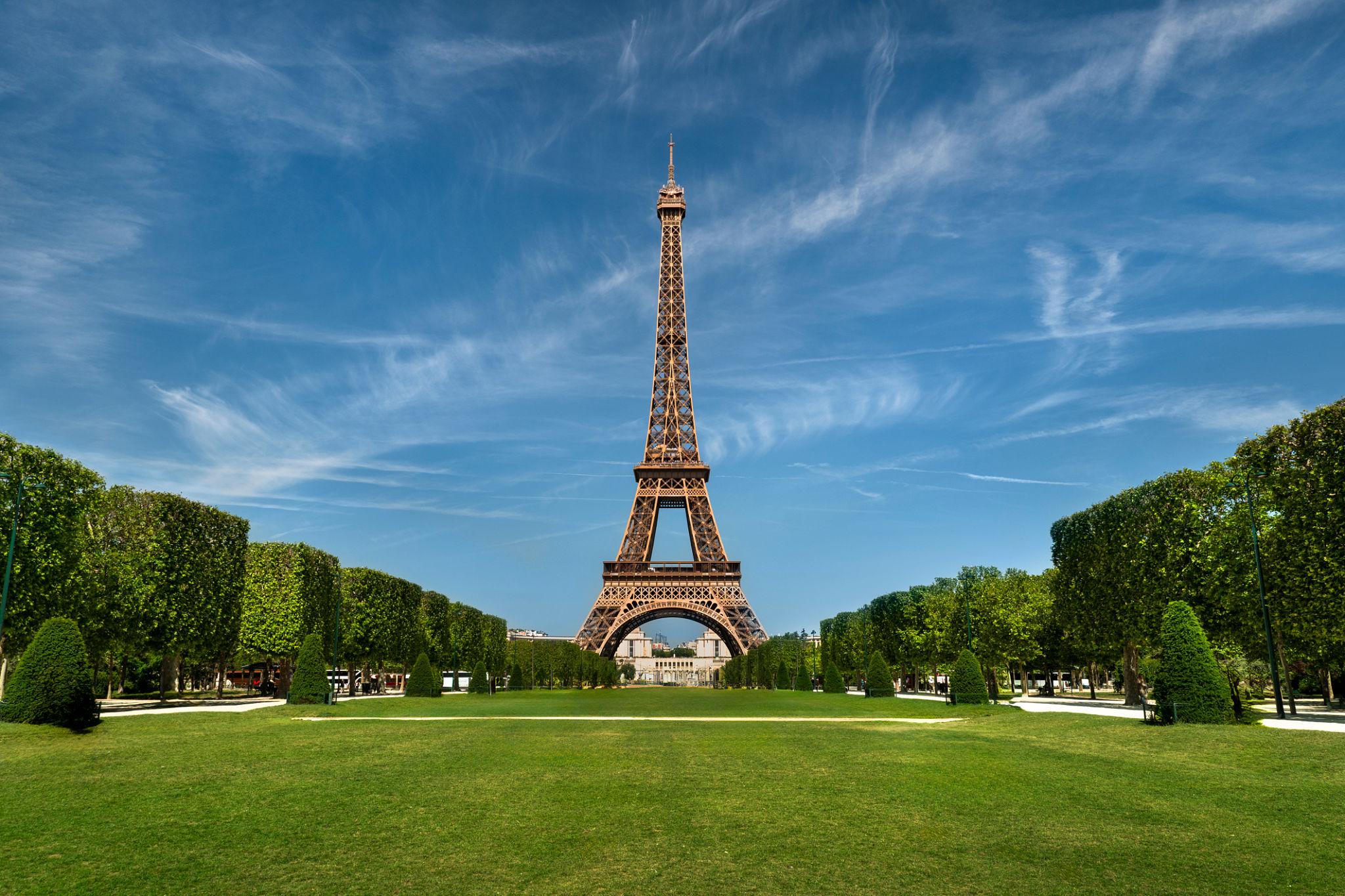
Today, the Eiffel Tower is the defining symbol of Paris and one of the most recognizable landmarks in the world. Yet when engineer Gustave Eiffel completed the iron tower for the 1889 Exposition Universelle (World’s Fair), it was never intended to be a permanent fixture. Under the terms of the agreement, the tower was scheduled to stand for only 20 years, after which it could be dismantled.
The project was controversial from the very beginning. Before construction was even finished, a group of prominent French artists, architects, and writers signed a public protest condemning the tower as a gigantic iron eyesore that would dominate Paris’s elegant skyline. They argued that the soaring metal structure clashed with the city’s classical beauty and feared it would become a permanent scar on one of Europe’s most admired capitals. Many Parisians believed the tower would be removed as planned once the World’s Fair ended.
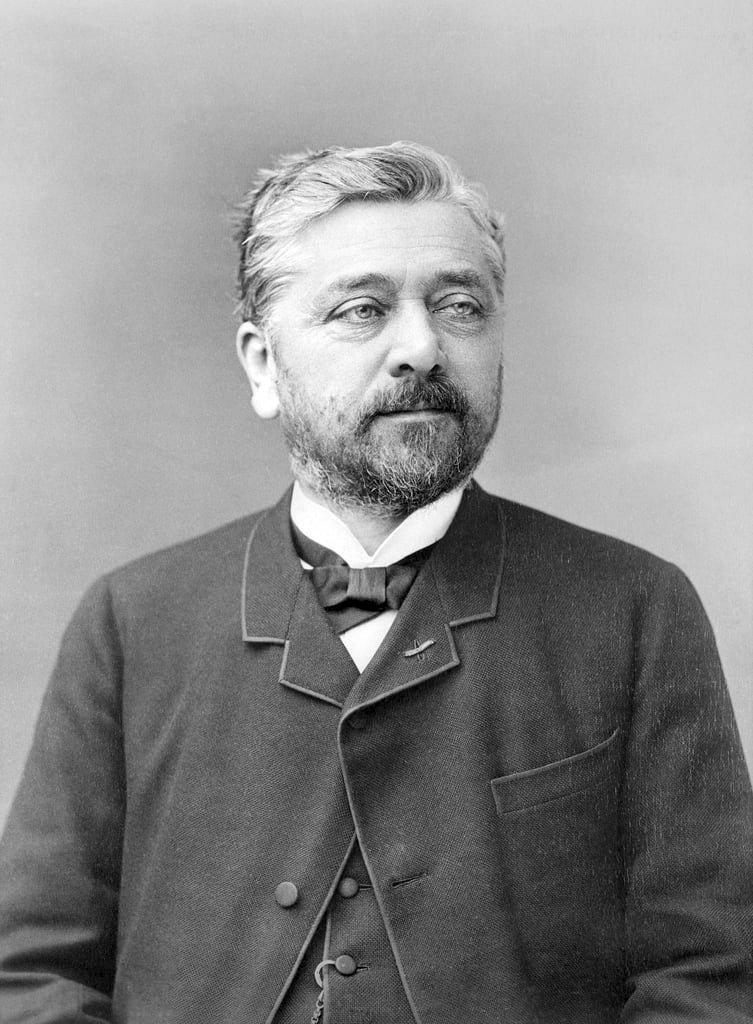
📷Eiffel Tower Engineer – Gustave Eiffel
As the 20-year deadline approached, however, something unexpected happened. Engineers and scientists discovered that the tower’s exceptional height made it invaluable for wireless telegraphy and radio transmission. The structure became a perfect platform for scientific experiments, meteorological observations, and long-distance communications. During the early 1900s, the French military also recognized its strategic importance, using the tower’s antennas to transmit messages over vast distances. These practical benefits ultimately convinced the French government that the tower was too valuable to destroy.
The Eiffel Tower went on to prove its worth during World War I, when its radio equipment helped intercept German military communications and played a role in France’s wartime intelligence efforts. As radio technology continued to evolve, the tower became an essential broadcasting hub, reinforcing the decision to preserve it. What had once been viewed by many as an unwanted temporary structure gradually transformed into a symbol of French innovation and national pride.