
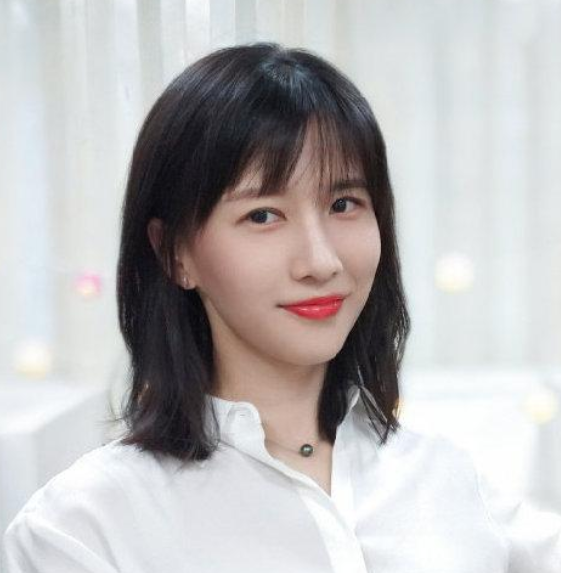
This summer, Chinese creator Papi Jiang unexpectedly created one of the year’s biggest viral sensations with the AI-assisted song “生气了” (“Angry”). Rather than relying on a traditional recording process, the song was created using a human-AI collaboration: Papi Jiang and her team wrote the lyrics and shaped the concept, while artificial intelligence generated the composition and vocals. Combined with a deliberately over-the-top retro music video inspired by 1990s aesthetics, the result became one of the most recognizable sounds on Douyin, China’s version of TikTok.
The song’s catchy chorus—“OMG, you scared me!”—quickly became a viral meme. It inspired countless remixes, parody videos, workplace skits, and edits featuring everything from classic Chinese TV dramas to everyday social situations. Within weeks, the original audio had been used in hundreds of thousands of Douyin videos, while related hashtags collectively accumulated billions of views, making it one of the platform’s defining trends of the summer.
What made “生气了” particularly notable wasn’t just its popularity—it demonstrated a new approach to music creation. Instead of replacing human creativity, AI handled the technical aspects of composing and singing, while the humor, emotional timing, and relatable lyrics came from Papi Jiang’s team. Media analysts pointed to the song as an example of how AI is changing music from something people simply listen to into content that users actively remix, parody, and adapt for their own storytelling.