
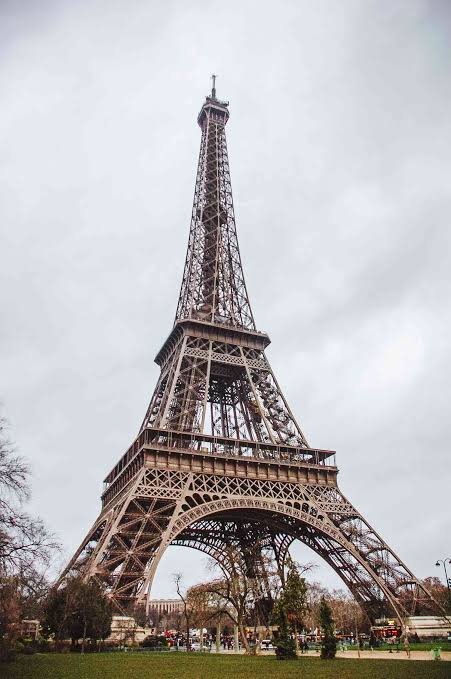
Millions of people visit Eiffel Tower each year without realizing that the iconic landmark isn’t always the same height. Depending on the season, the tower actually grows and shrinks—all because of a basic principle of physics known as thermal expansion.
When temperatures rise during the summer, the Eiffel Tower’s 18,000-plus iron components expand as they absorb heat from the sun. Engineers estimate the structure can become up to 15 centimeters (about 6 inches) taller on particularly hot days. As temperatures fall in cooler months, the metal contracts, returning the tower to its original height.
The effects of heat don’t stop there. If one side of the tower receives more direct sunlight than the other, the uneven expansion can cause the structure to lean slightly away from the sun. In extreme conditions, this temporary movement can reach several centimeters, although it is carefully monitored and poses no danger to the tower’s stability.
Far from being a flaw, this behavior was anticipated by Gustave Eiffel and incorporated into the tower’s design when it was completed for the 1889 Exposition Universelle (World’s Fair). The flexibility of the iron framework allows it to safely expand, contract, and withstand strong winds without compromising its structural integrity.
Standing at 330 meters (1,083 feet) after the addition of modern antennae, the Eiffel Tower also undergoes regular maintenance. Approximately 60 tons of paint are applied every seven years to protect the iron from corrosion, ensuring the landmark remains in excellent condition despite constant exposure to the elements.
Although visitors can’t see the tower growing with the naked eye, the change is very real.