
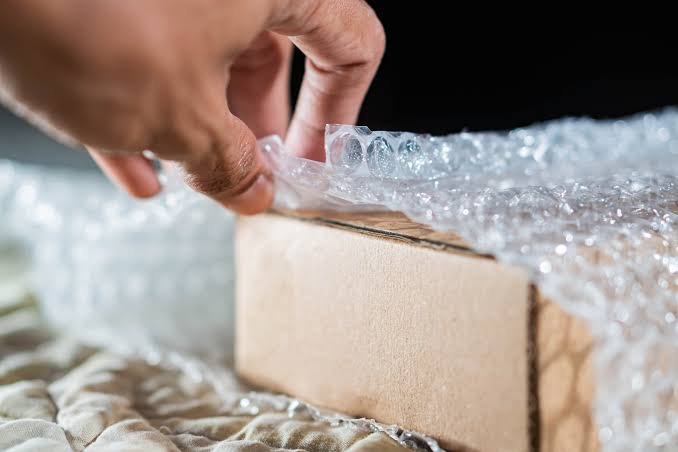
Today, Bubble Wrap is one of the world’s most recognizable packaging materials, protecting everything from electronics and glassware to artwork and medical equipment. Yet when it was invented, it had nothing to do with shipping fragile items.
In 1957, inventors Alfred Fielding and Marc Chavannes were experimenting with two plastic shower curtains. By sealing them together in a way that trapped pockets of air, they hoped to create a textured plastic wallpaper that would give homes a modern, futuristic look. The concept fit the design trends of the era—but consumers showed little interest, and the product was a commercial failure.
Rather than giving up on the invention, Fielding and Chavannes searched for other practical uses. They briefly tried marketing it as greenhouse insulation, but that idea also failed to gain widespread adoption. It wasn’t until they realized the air-filled sheets could absorb shocks and cushion delicate objects that the material found its true purpose.
To commercialize the invention, the pair co-founded Sealed Air in 1960. Bubble Wrap quickly became popular as protective packaging, especially as the computer and electronics industries expanded. One of its earliest major customers was IBM, which used Bubble Wrap to safely ship its increasingly valuable computer equipment.
Over the following decades, Bubble Wrap became a global packaging staple, prized for being lightweight, flexible, and highly effective at protecting fragile goods during transport. It also developed an unexpected cultural appeal, with people around the world finding the familiar “pop” of bursting its air bubbles strangely satisfying.