
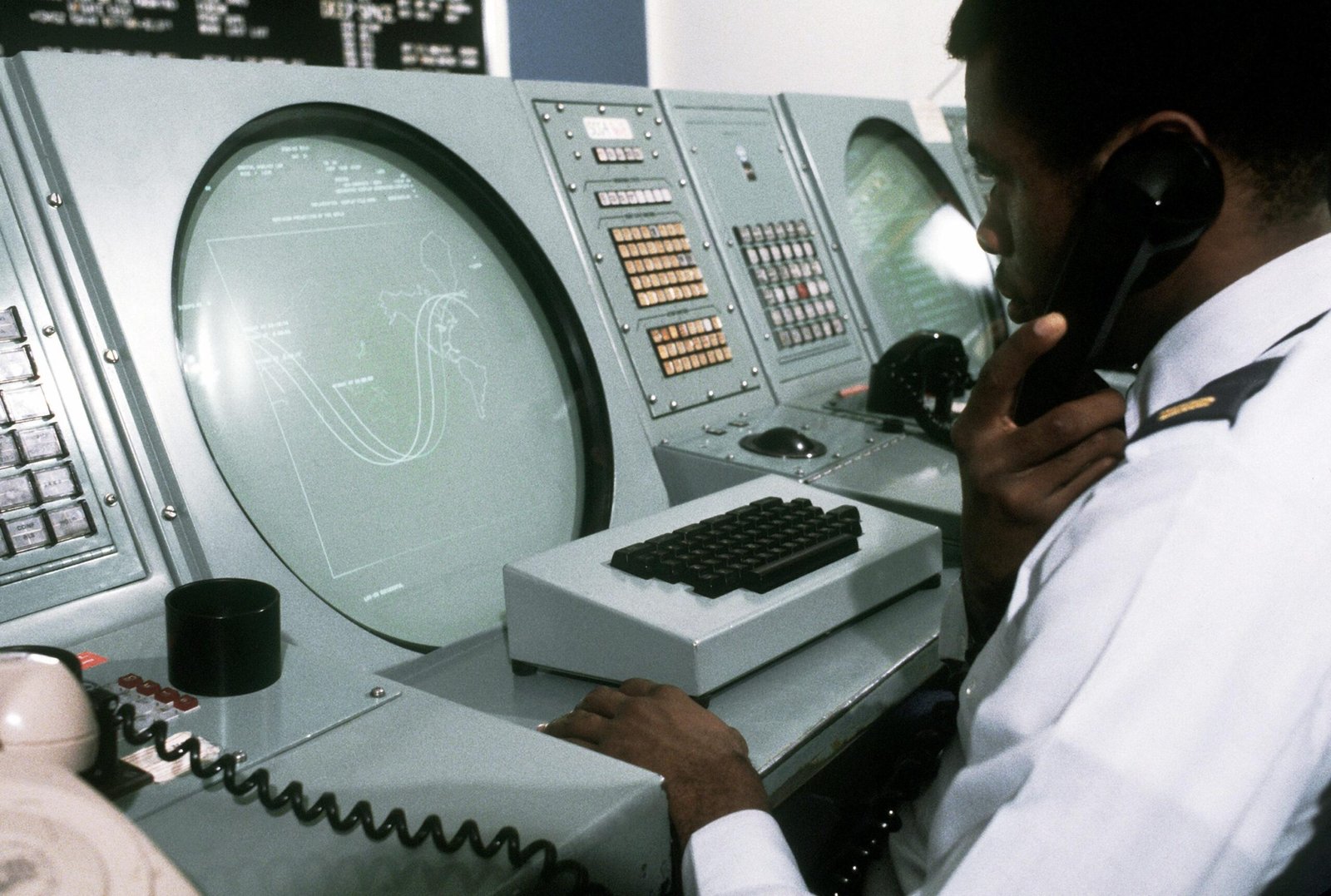
On November 9, 1979, military computers at North American Aerospace Defense Command suddenly displayed what appeared to be a large-scale Soviet nuclear missile attack against the United States. Warning systems indicated that hundreds of intercontinental ballistic missiles were on their way, prompting one of the most serious false alarms of the Cold War. Within minutes, U.S. military leaders began implementing emergency procedures, strategic bomber crews prepared for possible takeoff, missile forces were placed on heightened alert, and senior officials—including National Security Adviser Zbigniew Brzezinski—were notified of the apparent attack.
Fortunately, before any retaliatory action could be authorized, operators noticed a critical problem. Data from early-warning satellites and ground-based radar stations showed no evidence of incoming missiles. As additional systems confirmed that the skies were clear, officials realized the alarming computer display did not match real-world observations. The contradiction prevented what could have become a catastrophic misunderstanding between the world’s two nuclear superpowers.
Investigators later determined that the incident had been caused when a training simulation tape was mistakenly loaded into an operational warning computer, causing the system to display a realistic—but entirely fictional—Soviet attack. The error highlighted the dangers of relying too heavily on automated warning systems and exposed weaknesses in the procedures used to distinguish training exercises from real emergencies. In response, U.S. defense officials reviewed and strengthened safeguards designed to prevent similar mistakes in the future.