
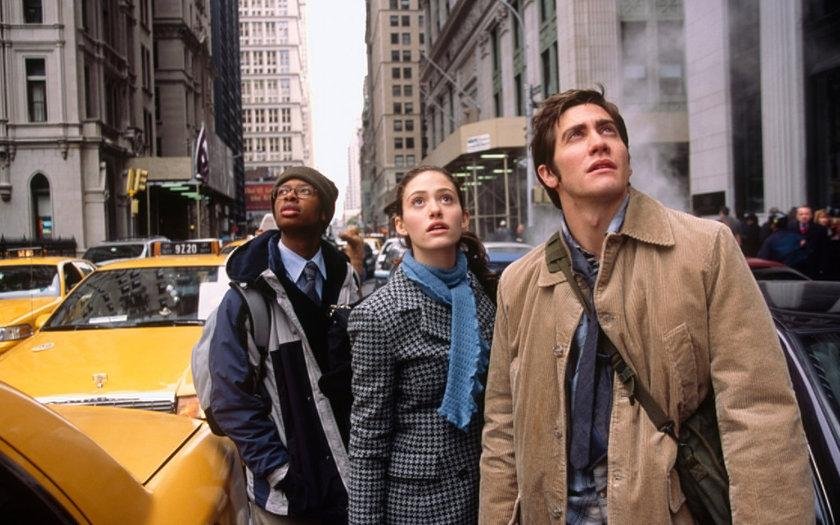
When The Day After Tomorrow premiered in 2004, audiences were captivated by its dramatic vision of sudden climate catastrophe. Directed by Roland Emmerich, the blockbuster depicted massive storms, flash freezing, and a rapid collapse of Earth’s climate system. Scientists were quick to point out that many of the film’s events were scientifically impossible or highly exaggerated, but they also noticed something unexpected: the movie got millions of people talking about climate change.
Researchers who later studied the film’s impact found that it significantly increased public interest in climate science, particularly among people who had previously paid little attention to the issue. Following its release, educators, universities, and environmental organizations reported increased discussions about global warming, extreme weather, and the science behind climate change. While the film wasn’t scientifically accurate, it succeeded in making a complex topic accessible to a mainstream audience and encouraged many viewers to seek out reliable information afterward.
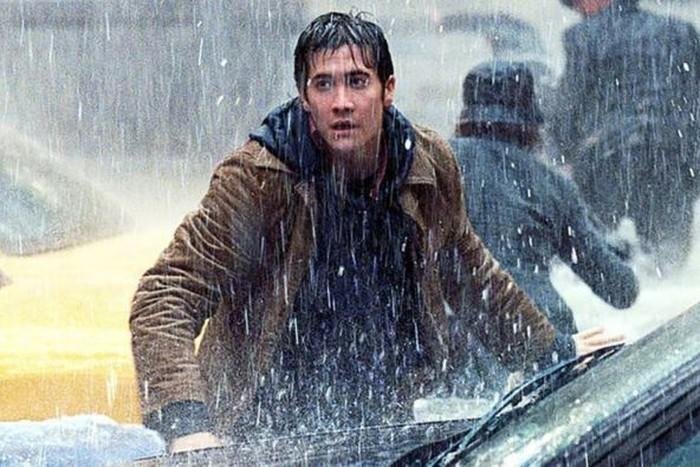
The movie also coincided with greater public engagement in disaster preparedness and emergency planning. Although it’s difficult to attribute changes in behavior directly to a single film, emergency management professionals and educators noted that disaster awareness campaigns often received greater attention in the years following its release. The film became a useful conversation starter, helping introduce audiences to topics such as severe weather, evacuation planning, and the potential consequences of a changing climate.