
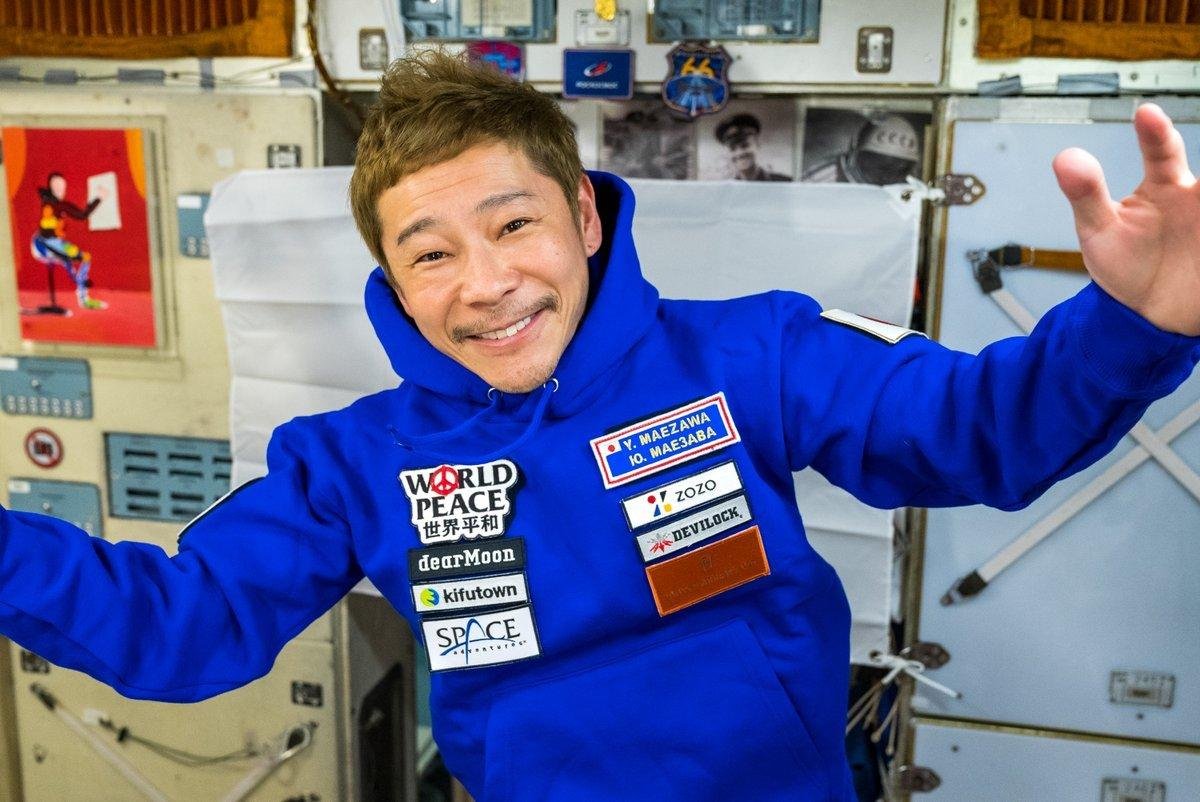
In 2020, Japanese entrepreneur Yusaku Maezawa launched one of the largest social media cash giveaways ever attempted—not to promote a product or build a business, but to test a scientific question: Does giving people money with no strings attached make them happier?
Maezawa, the founder of ZOZO (formerly ZOZOTOWN), announced that he would distribute ¥1 billion (approximately $9 million at the time) among 1,000 randomly selected people, with each winner receiving ¥1 million. Unlike most online giveaways, recipients weren’t required to buy anything, advertise a brand, or perform specific tasks. Instead, they were invited to participate in a long-term research project examining how unconditional cash affected their happiness, financial decisions, relationships, and overall quality of life.
The announcement quickly became one of the most viral posts in the history of X in Japan. Millions of users liked, shared, and commented on the post, turning the giveaway into a nationwide conversation about wealth, inequality, and the idea of universal basic income (UBI)—a system in which people receive regular payments regardless of employment or income.
Maezawa said his inspiration came from growing interest in economic research suggesting that direct cash transfers can improve well-being, reduce financial stress, and increase life satisfaction. Rather than relying on speculation, he wanted to gather real-world data by following the winners over time through surveys and interviews conducted with researchers.
The experiment attracted worldwide attention because it combined philanthropy, behavioral science, and the enormous reach of social media. While it wasn’t a formal scientific trial on the scale needed to prove whether universal basic income works, it provided researchers with valuable insights into how people use unexpected financial windfalls and whether greater financial security influences happiness.