
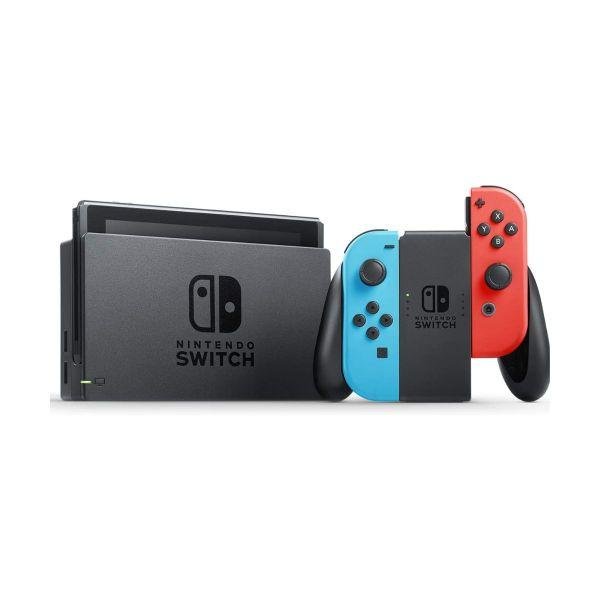
Today, Nintendo is one of the biggest names in gaming, known for franchises like Super Mario, The Legend of Zelda, Pokémon, and the Nintendo Switch. But when the company was founded in Kyoto, Japan, in 1889, video games were still many decades away. Instead, founder Fusajiro Yamauchi established Nintendo to produce hanafuda, handcrafted Japanese playing cards that were popular for traditional card games.
For much of its early history, Nintendo was exclusively a playing card manufacturer, earning a reputation for producing high-quality handmade cards. As Japan modernized during the 20th century, the company searched for new opportunities beyond its original business. Under the leadership of Hiroshi Yamauchi, Nintendo experimented with a surprising variety of ventures. Among them were a taxi company, instant rice, a love hotel business, vacuum cleaners, and toys. Most of these projects achieved little long-term success, but they demonstrated the company’s willingness to reinvent itself rather than remain tied to a single industry.
Nintendo’s fortunes changed during the late 1960s and 1970s when it shifted its focus toward toys and electronic entertainment. Collaborating with engineer Gunpei Yokoi, the company developed innovative toys before moving into arcade games and home entertainment. The breakthrough arrived in 1981 with Donkey Kong, a hit arcade game that introduced a character who would later become Mario, one of the most recognizable figures in entertainment history.
The launch of the Nintendo Entertainment System (NES) in 1983 (1985 in North America) transformed the global video game industry following the North American video game crash. Franchises such as Super Mario Bros., The Legend of Zelda, Metroid, Kirby, and later Pokémon helped establish Nintendo as one of the most influential entertainment companies in the world.