
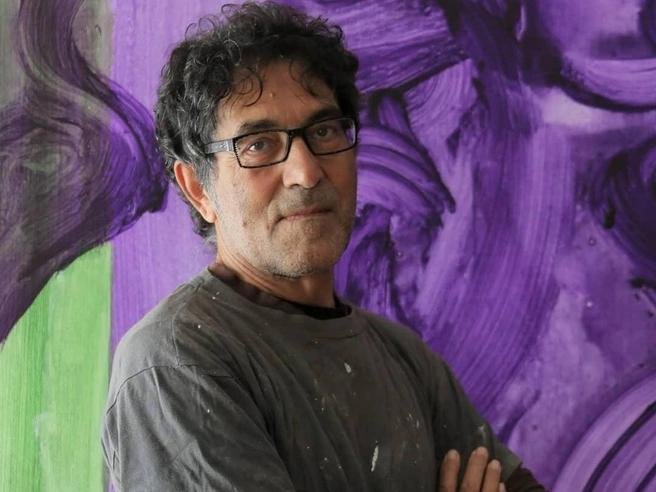
In 2021, Italian artist Salvatore Garau stunned the art world by auctioning an artwork that couldn’t be seen at all. Titled “Io Sono” (“I Am”), the sculpture had no physical form—no stone, metal, canvas, or installation. Instead, the artwork consisted entirely of empty space, with the purchaser receiving a certificate of authenticity and detailed instructions explaining that the invisible sculpture should occupy an unobstructed area measuring approximately 1.5 by 1.5 meters (5 by 5 feet).
Garau argued that the work existed through human imagination and perception, drawing inspiration from concepts in physics and philosophy. He suggested that what appears to be empty space is still filled with energy, making the invisible sculpture meaningful despite its lack of physical presence. Whether or not scientists would agree with that interpretation, the artistic statement generated worldwide attention.
The piece ultimately sold for €15,000, exceeding its pre-sale estimate and igniting fierce debate. Critics dismissed the sale as a publicity stunt, while supporters pointed out that conceptual art has long emphasized ideas over objects, with the artist’s concept itself serving as the artwork.
More than the sale price, Garau’s invisible sculpture became a cultural phenomenon, challenging conventional ideas about creativity, ownership, and value. It remains one of the most talked-about examples of modern conceptual art, proving that sometimes the most controversial artwork is the one that literally isn’t there.