
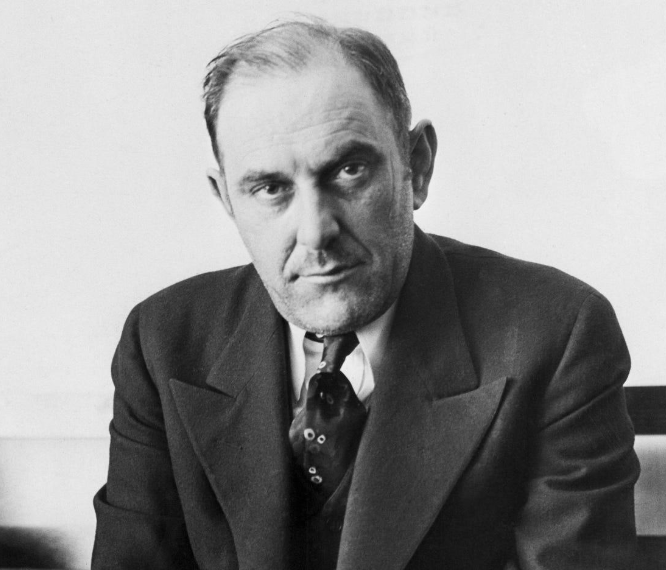
Few con artists have ever pulled off a scheme as unbelievable as Victor Lustig. In 1925, he read newspaper reports discussing the high cost of maintaining Eiffel Tower and saw an opportunity that no one else did.
Posing as a senior official from the French government, Lustig forged convincing documents and invited several of Paris’s leading scrap-metal dealers to a luxurious hotel. There, he claimed the government had secretly decided to demolish the Eiffel Tower and sell its 7,000-plus tons of iron as scrap. To make the story even more believable, he explained that officials wanted to avoid public outrage by handling the sale discreetly.
One dealer, André Poisson, was eager to win the lucrative contract. Lustig sensed his ambition and demanded a private bribe, pretending it was necessary to secure the deal. Poisson paid both the bribe and the supposed purchase price—only to discover that the entire transaction was an elaborate fraud.
Ashamed of being deceived, Poisson never reported the crime, giving Lustig enough time to flee to Austria. Amazingly, he later returned to Paris and tried to sell the Eiffel Tower a second time, but one prospective buyer alerted authorities, forcing him to escape before the scam could be repeated.
Lustig later became equally infamous in the United States for counterfeiting money and repeatedly claiming he owned a mysterious machine that could duplicate banknotes. His remarkable ability to exploit trust and greed earned him a lasting reputation as one of history’s greatest con artists.