
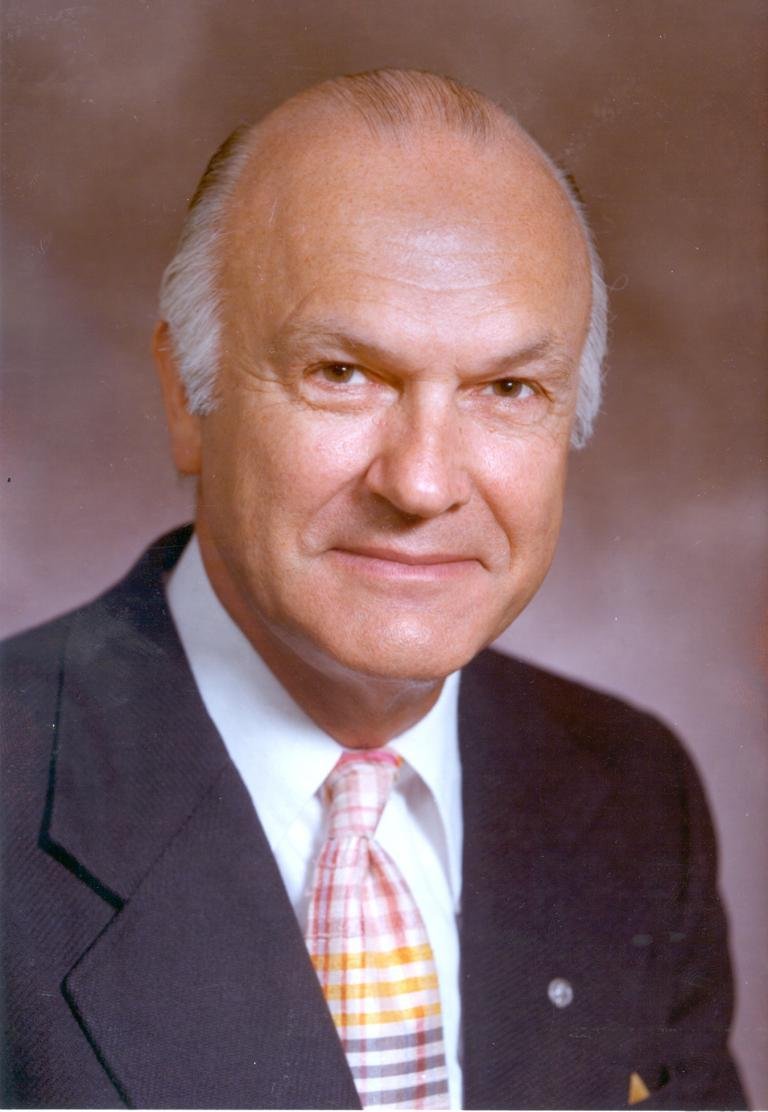
During World War II, American chemist Harry Coover was working for Eastman Kodak on a project to develop clear plastic materials for precision gun sights. Instead, his team accidentally created a chemical called cyanoacrylate—a substance so incredibly sticky that it bonded to almost every surface it touched. Because the material ruined laboratory equipment and was far too adhesive for optical devices, researchers dismissed it as a failed experiment and shelved the discovery.
Nearly a decade later, while developing heat-resistant materials for military aircraft canopies, Coover and fellow chemist Fred Joyner encountered the same compound again. This time, they realized its extraordinary bonding strength wasn’t a flaw—it was the invention itself. In 1958, the adhesive was introduced commercially as Super Glue, quickly becoming one of the most successful household products ever created.
What makes cyanoacrylate remarkable is that it cures within seconds simply by reacting with tiny amounts of moisture on surfaces or even in the air. Beyond repairing broken household items, specialized medical versions are used to close surgical incisions and battlefield wounds without stitches, while NASA has also employed cyanoacrylate adhesives in equipment maintenance and manufacturing. Harry Coover later received the National Medal of Technology and Innovation for his contribution, proving that one of history’s most useful inventions began as a laboratory mistake that researchers almost threw away.
Today, Super Glue is regarded as one of history’s most successful accidental inventions, illustrating how a failed attempt to solve one problem can lead to a breakthrough in an entirely different field.