
On December 8, 2005, a single trading mistake sent shockwaves through Japan’s financial markets. A trader at Mizuho Securities was trying to sell one share of newly listed recruitment company J-Com for ¥610,000. Instead, the order entered the market was almost the exact opposite: 610,000 shares for just ¥1 each.
The problem was enormous. J-Com had only a fraction of that number of shares available, meaning the order was attempting to sell vastly more stock than the company actually had.Mizuho realized the mistake almost immediately and tried to cancel the order. But the Tokyo Stock Exchange’s trading system failed to properly process the cancellation. The erroneous orders continued executing while traders and automated systems recognized an extraordinary opportunity to buy shares at an absurdly low price.
Within minutes, the situation had become a financial disaster.
Mizuho eventually faced losses estimated at approximately ¥27 billion, equivalent to hundreds of millions of dollars depending on the exchange rate used. The incident also exposed serious weaknesses in the exchange’s trading and cancellation systems.
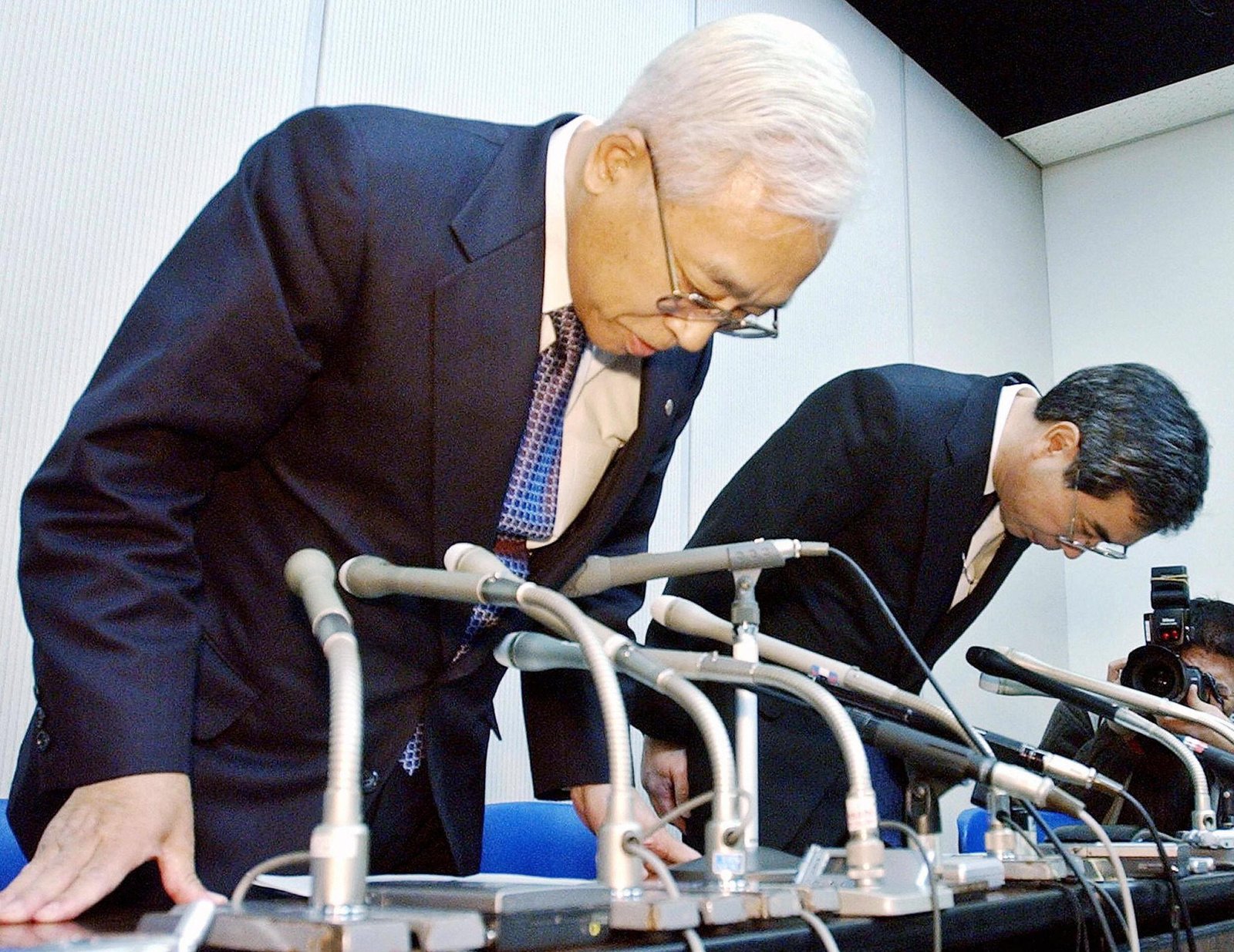
The consequences reached far beyond Mizuho. Tokyo Stock Exchange president Takuo Tsurushima resigned, and the incident contributed to major changes in Japan’s market infrastructure and trading safeguards.
What makes the story so extraordinary is how little it took to create such enormous damage.
No computer was hacked. No sophisticated fraud was involved.