
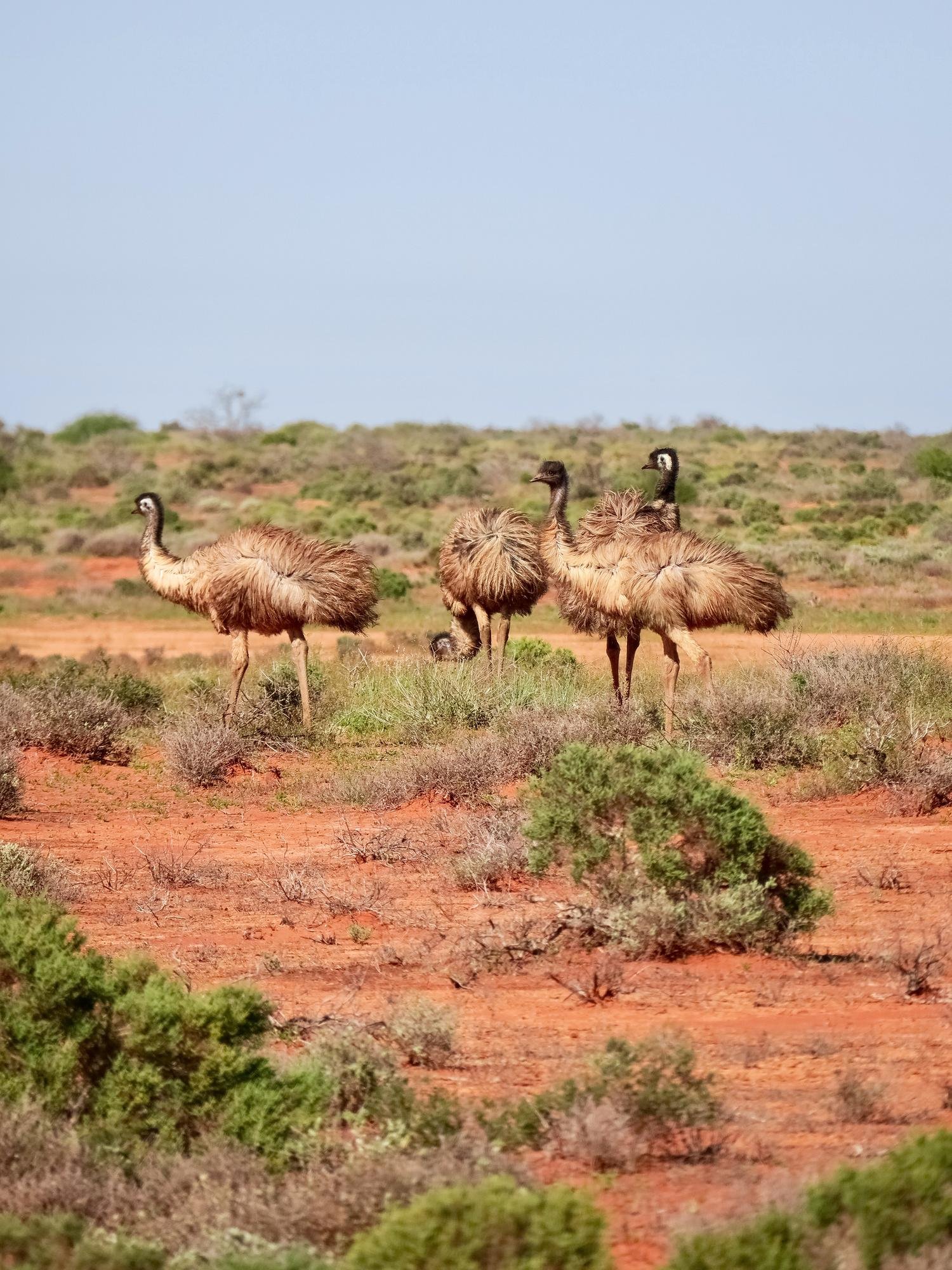
In 1932, farmers in Western Australia were struggling with a huge influx of emus. After the breeding season, an estimated 20,000 birds migrated into farming areas, trampling fences and consuming wheat crops that were already suffering during the Great Depression.
In response, the Australian government deployed soldiers from the Australian Army, equipped with Lewis machine guns, to help reduce the emu population.
The operation quickly became infamous. The emus scattered into small groups instead of remaining in large flocks, making them difficult targets. The rough terrain, the birds’ speed, and occasional equipment problems—including machine-gun jams—meant the campaign achieved far fewer kills than expected despite thousands of rounds being fired.
After several weeks, the military operation was suspended without meeting its objectives. The government later relied on bounty programs and improved fencing, which proved far more effective at controlling emu numbers than using soldiers.
The episode became known as the Great Emu War and has since become one of Australia’s most famous historical anecdotes. While often told as a joke that the military “lost a war” to birds, the event was actually a limited pest-control operation rather than a true military conflict.