
On November 14, 1969, just 36 seconds after liftoff, Apollo 12 was struck by lightning. Seconds later, it was hit again.
The electrical surges caused warning lights to illuminate across the spacecraft, knocked many systems offline, and filled Mission Control with confusing, seemingly contradictory telemetry. For a brief moment, it wasn’t clear whether the mission would have to be aborted.
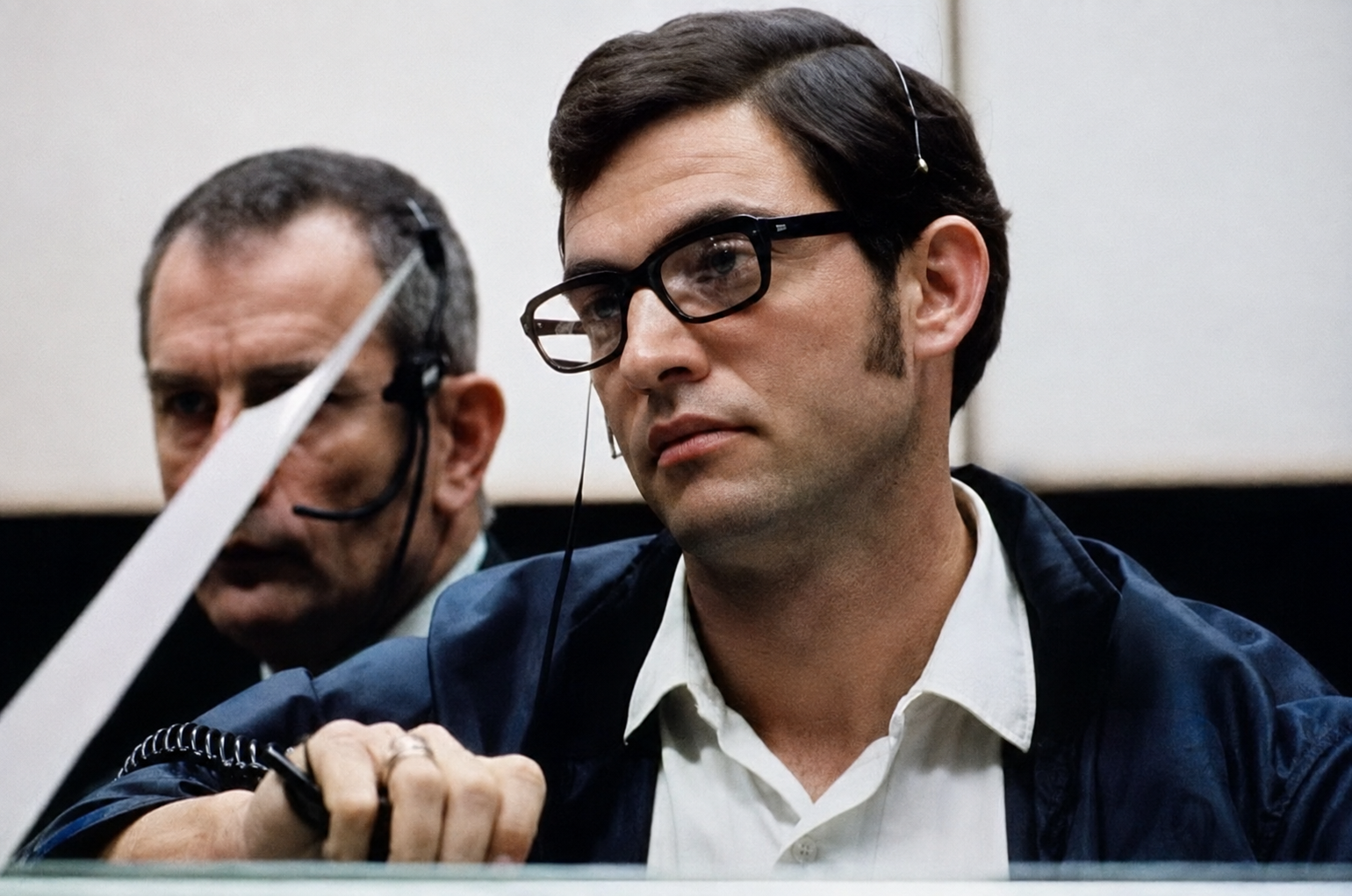
While most controllers struggled to interpret the data, John Aaron, known as the EECOM (Electrical, Environmental and Consumables Manager), recognized the exact pattern. Months earlier, during a routine ground test, he had seen a nearly identical telemetry failure caused by an unrelated power issue. Most people had forgotten the incident—but Aaron hadn’t.
He immediately told Flight Director Gerry Griffin to relay a simple instruction to the crew:
“SCE to AUX.”
Astronaut Alan Bean happened to remember where the obscure switch was located and flipped it. The command restored the spacecraft’s telemetry, allowing Mission Control to receive accurate data again and verify that Apollo 12 was still healthy enough to continue.
Thanks to Aaron’s quick thinking—and Bean’s familiarity with the rarely used switch—the mission proceeded successfully. Days later, Pete Conrad and Alan Bean landed on the Moon, making Apollo 12 the second successful crewed lunar landing in history.
Within NASA, the phrase “SCE to AUX” became legendary, symbolizing the value of meticulous preparation, deep technical knowledge, and calm decision-making under extreme pressure.